
Introduction
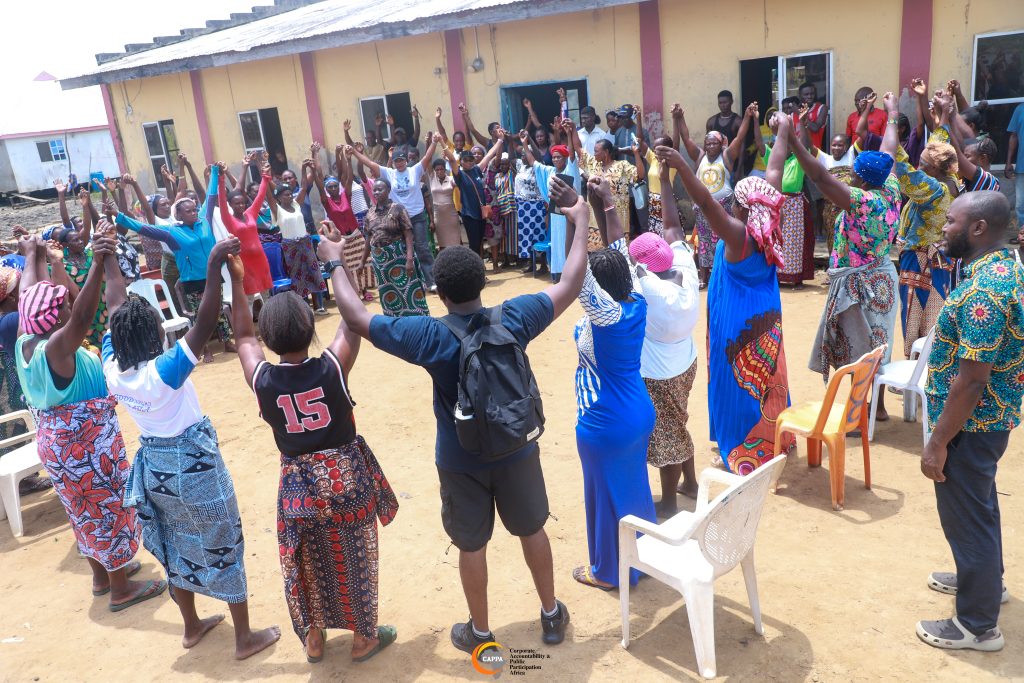
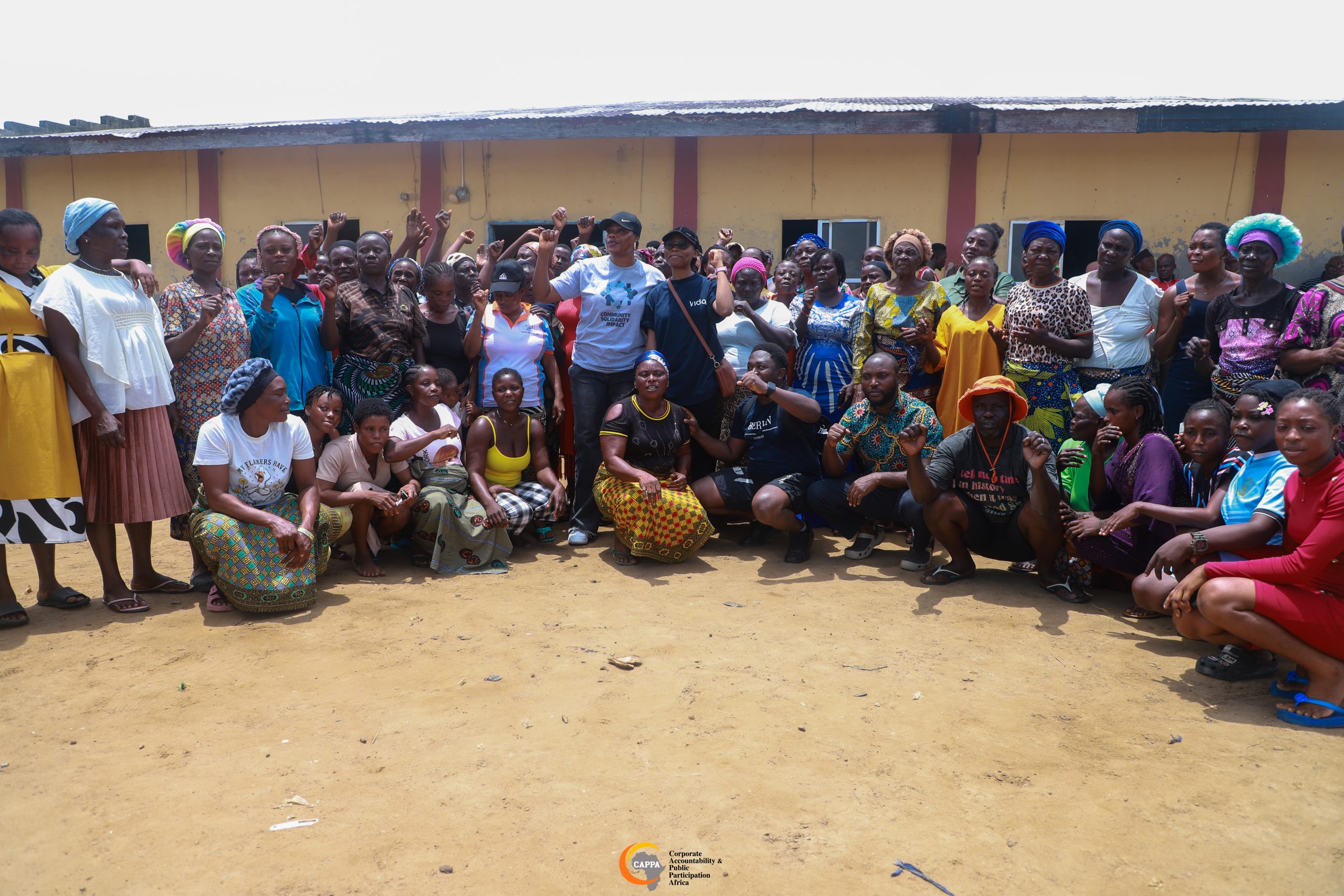
Between 16th and 18th March 2026, the CAPPA team conducted an evidence-gathering visit to the Abereke community as part of its storytelling platform initiative and in preparation for the Women’s Climate Change Accountability Forum. The visit documented lived experiences, assessed the scale of environmental degradation, and its socio-economic implications on the community. The exercise placed particular emphasis on amplifying the voices of women, who are disproportionately affected by environmental and economic disruptions in the area largely linked to the activities of major oil corporations on its shores, including Agip, Shell, Chevron, and Guarantee Petroleum Company.
The engagement combined participatory discussions, key informant interviews, and direct observation of environmental conditions. Over fifty women were engaged in group interactions, alongside three in-depth interviews with selected residents. These interactions provided both qualitative insights and firsthand accounts that substantiate the observations made during the visit.
Environmental Conditions and Degradation
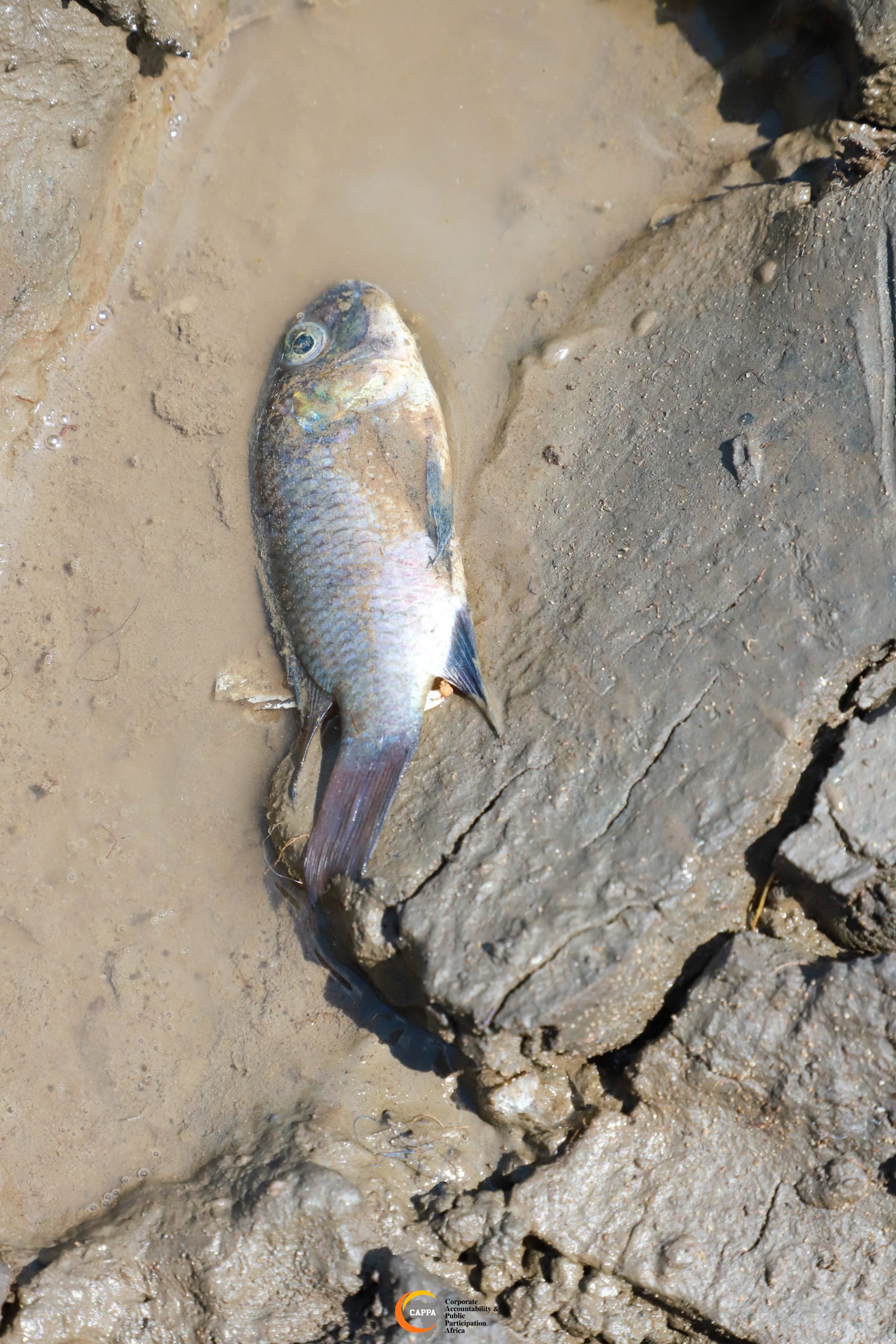
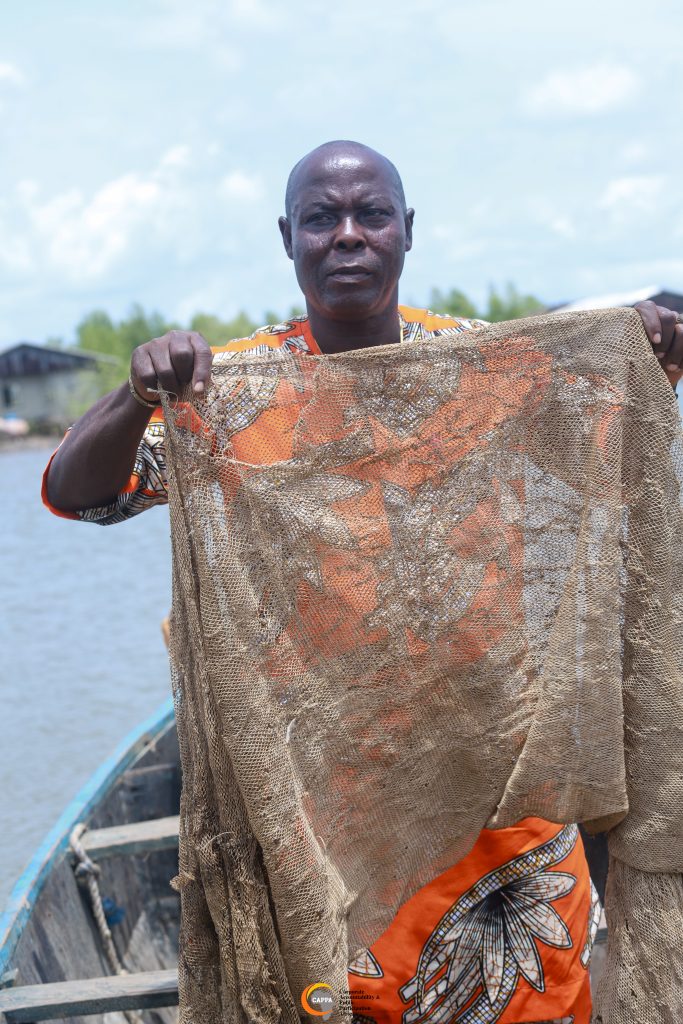
Findings from the assessment reveal a deeply degraded environment, largely attributed to persistent oil spillage and increasing tidal activity. The presence of oil contaminants in water bodies was evident, with visible damage to aquatic ecosystems. Dead fish were observed, and fishing equipment, particularly nets, had been destroyed or rendered unusable due to contamination. Residents consistently reported a sharp decline in the quality and quantity of marine resources, including fish, prawns, and crayfish, which were once abundant and central to their livelihoods.
The environmental damage extends beyond aquatic life. Community members confirmed that oil spills have led to the death of domestic animals such as pigs, dogs, and chickens, further eroding alternative sources of income and food security. This multi-layered ecological loss underscores the severity of the crisis and its far-reaching implications.
Compounding the effects of pollution are significant tidal fluctuations and rising sea levels. Approximately 20 kilometers of the community is now submerged, indicating a progressive loss of land to water incursion. Coastal erosion is ongoing, and the absence of protective infrastructure has left the community exposed to continuous environmental threats. These conditions collectively demonstrate a fragile ecosystem under sustained pressure, with limited capacity for natural recovery.
Socio-Economic Impacts: The environmental challenges in Abereke have translated into severe socio-economic consequences. Fishing, which serves as a primary source of livelihood for many households, has been drastically disrupted. With declining fish populations and damaged fishing implements, income levels have fallen significantly. The cost of repairing boats, reported to be around ₦300,000 or more, and the outright purchase of new ones is beyond the reach of most residents, effectively limiting their ability to resume fishing activities.
The loss of livestock due to oil contamination has compounded economic hardship, particularly for women who rely on small-scale animal husbandry as a supplementary income source. Observations during the visit revealed widespread poverty, with women appearing visibly impoverished and many men also struggling to meet basic needs. The local economy, which is heavily dependent on natural resources, is under severe strain, with limited alternative income opportunities available.
Access to necessities has also been affected. Due to contamination of natural water sources, residents are now compelled to purchase water at different prices, placing additional financial pressure on already vulnerable households. Depending on the family size, getting water for normal domestic use is a big deal in Abereke. This shift not only reflects environmental decline but also highlights the increasing cost of survival within the community.
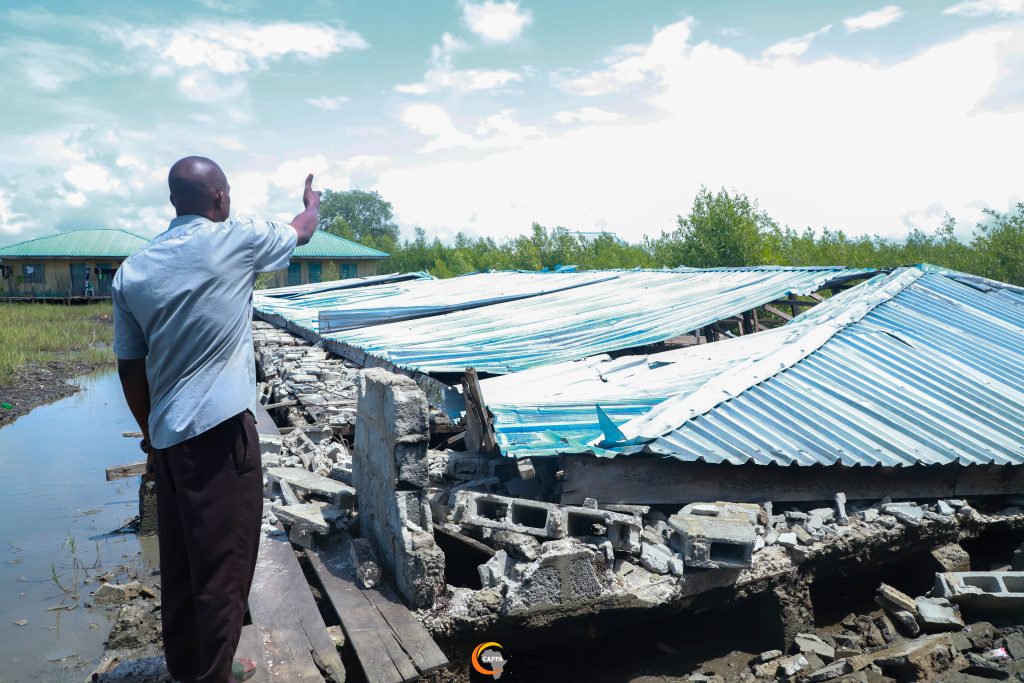
Social Infrastructure and Wellbeing: The impact of environmental degradation is also evident in the deterioration of social infrastructure and overall well-being. One of the most striking observations during the visit was the destruction of the only primary school facility in the community caused by tidal waves and the complete collapse of the wooden bridge leading to it. Children in the community were seen as unable to attend school, underscoring the long-term implications of environmental damage on education and human capital development.
Health concerns are equally pressing. No visible health centre. No access to medical care and pharmaceutical products. One of the residents interviewed said, ‘‘Local herbs are often the rescue for families who can not take their sick ones to bigger towns’’. The contamination of water sources and exposure to polluted environments pose significant risks to residents, declining quality of food sources, particularly seafood, and raise additional concerns about nutrition and safety. These conditions contribute to a broader sense of vulnerability and uncertainty about the future.
Community members expressed a strong feeling of neglect and systemic disregard. There is a prevailing perception that their challenges have not received adequate attention from relevant authorities or responsible entities despite numerous letters and Save Our Souls requests. This sense of abandonment has deepened social frustration and reinforced the urgency for external intervention.
Community Perspectives and Response: Despite the scale of the challenges, the community has made attempts to respond to the situation, although these efforts have largely been ineffective due to limited resources and capacity. Residents acknowledged the shortcomings of community-led initiatives in addressing issues of this magnitude, particularly those linked to industrial activities and large-scale environmental change.
Nevertheless, there is a clear willingness among community members to engage constructively in efforts aimed at addressing these challenges. The women expressed readiness to participate in structured accountability mechanisms, including being part of the Community Environmental Accountability Committee to further highlight their plights, aggregate their demands, and engage the State when necessary. This willingness represents a critical entry point for inclusive and participatory interventions.
Call for Action and Recommendations: The community strongly calls for immediate and coordinated action from both government authorities and oil corporations operating in the region, specifically Chevron, Agip, and Guarantee Oil Company, whose inglorious operations have caused significant damage to the once flourishing community. Residents embraced and emphasised the need for open dialogue as a first step toward addressing their grievances and ensuring that their voices are heard.
There was also a demand for comprehensive environmental impact assessments to fully determine the extent of damage and inform appropriate responses. Beyond assessment, the community is seeking reparations and compensation for the losses incurred, including damage to livelihoods, property, and ecosystems.
Environmental remediation is a priority, with urgent calls for the clean-up of oil-contaminated areas and restoration of affected ecosystems. In addition, the construction of embankments along coastal lines was highlighted as a necessary intervention to mitigate the effects of rising sea levels and prevent further water incursion.
The rehabilitation of critical infrastructure, particularly educational facilities, is also essential to restore normalcy and support the future of children in the community. The residents believed that these actions, if implemented in a coordinated and inclusive manner, would significantly contribute to alleviating the current crisis and building resilience within the community.
Conclusion: The situation in Abereke presents a compelling case of environmental degradation intertwined with economic hardship and social vulnerability. The combined effects of oil spills, tidal fluctuations, and inadequate institutional response have created a crisis that threatens both livelihoods and the community’s long-term sustainability.
Through the Story Telling Platform, CAPPA will call for the prioritization of environmental restoration, economic recovery, and social protection while incorporating community voices in decision-making processes, ensuring that interventions are responsive, equitable, and sustainable. The evidence gathered during this visit will not only support case-making and advocacy for climate and environmental justice but also serve as a template to measure Government responsiveness and corporate accountability.
What Next? CAPPA will produce the video documentary in accordance with the established production workflow, incorporating the appropriate disclaimers and integrating team input throughout the editing process. Before publishing the final product on the STP platform (website), supporting materials will be developed, including media articles, engaging visuals, quotes, social media graphics, and toolkits to support amplification.